
The Future of Smart Software Development
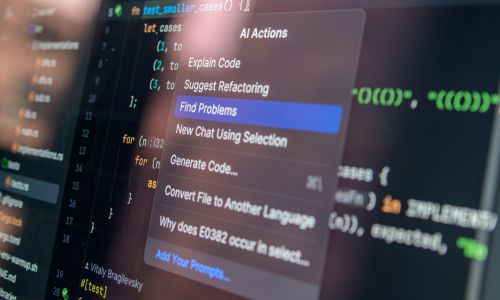
Technology is growing very fast, and the way we write software is also changing. One of the biggest changes in recent years is the rise of autonomous coding assistants. These smart tools are helping developers write code faster, reduce mistakes, and improve productivity. Companies like OpenAI and GitHub are leading the way in building powerful AI systems that can understand and generate code.
In this blog, we will explain what autonomous coding assistants are, how they work, and why they are important for the future of software development.
Mind Spark presents this blog to inform IT industry professionals about the growing role and impact of autonomous coding assistants.
What Are Autonomous Coding Assistants?
Autonomous coding assistants are AI-powered tools that can write, edit, and improve code with little human help. Unlike simple code suggestion tools, these assistants can understand instructions, solve problems, and even complete full tasks on their own.
For example, tools like GitHub Copilot and ChatGPT can generate code snippets, explain programming concepts, fix bugs, and suggest better solutions. Developers simply describe what they need, and the assistant provides working code in seconds.
How Autonomous Coding Assistants Work
Autonomous coding assistants use advanced artificial intelligence models trained on large amounts of code and text data. These models learn patterns from millions of programming examples. Because of this training, they can understand many programming languages such as Python, JavaScript, Java, and more.
When a developer types a request, the assistant analyzes the input and predicts the most accurate solution. It can also review existing code to find errors, security risks, or performance issues. This makes software development faster and more efficient.
Benefits of Autonomous Coding Assistants in Software Development
1. Faster Coding Process
One major advantage is speed. Developers can complete tasks much faster with AI support. Instead of writing every line manually, they can focus on solving bigger problems while the assistant handles repetitive work.
2. Reduced Human Errors
AI coding assistants can detect syntax errors and logical mistakes quickly. This reduces debugging time and improves code quality.
3. Learning Support for Beginners
Autonomous coding assistants are also helpful for new programmers. They explain code in simple language and suggest improvements. This makes learning programming easier and more interactive.
4. Increased Productivity for Teams
In large IT companies, development teams work on complex projects. Autonomous coding assistants help maintain consistency in coding standards and reduce workload. This improves overall productivity.
Challenges of Using Autonomous Coding Assistants
Even though these tools are powerful, they are not perfect. Sometimes they may generate incorrect or insecure code. Developers must always review the output carefully.
There are also concerns about data privacy and intellectual property. Companies need clear policies to ensure sensitive information is protected.
The Future of Autonomous Coding Assistants
The future of autonomous coding assistants looks very promising. As AI technology improves, these tools will become smarter and more independent. They may soon handle full project development, automated testing, and system optimization with minimal human guidance.
However, autonomous coding assistants will not replace developers. Instead, they will act as smart partners that help programmers work more efficiently and creatively.
Why the IT Industry Should Pay Attention
Autonomous coding assistants are transforming the software development world. They save time, reduce errors, and improve learning. IT professionals who understand and adopt this technology early will gain a strong competitive advantage.
The IT industry must stay informed and prepared for this AI-driven transformation. Autonomous coding assistants are not just a trend — they are shaping the future of coding.